
How Do I Help My Children Look After Their Teeth?

Children's Dental Beaumont Hills

It’s never too early to begin teaching good oral hygiene to your children. Behaviours learnt when they’re young tend to stick with them throughout life. The need for this is increasingly important with tooth decay among children on the rise, with more than half of all 6 year-olds having some decay in their baby and adult teeth, according to the Australian Institute of Health and Welfare. The good news is that tooth decay is completely preventable.

How to establish good dental health and hygiene for your child?

You should start caring for your child’s oral health from when they’re a baby and into their toddler years so by the time they reach 3 years of age or so, they are well-versed in what it takes to keep their teeth healthy. They will require assistance from you until about the age of 7 or 8 but even then, it’s a good idea to supervise them when they’re brushing and flossing their teeth.

There are a number of key things to keep in mind when it comes to keeping your kids’ teeth in tip-top condition.

Baby Teeth
Specialist Paediatric Dentist Bella Vista

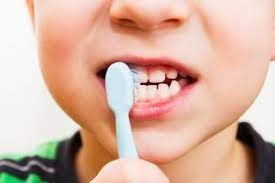
Yes, they eventually fall out to make way for adult teeth but that doesn’t mean cleaning them isn’t important. If decay causes them to be removed, it can cause crowding problems with their adult teeth emerge. So ensure they brush their teeth twice a day using a soft-bristled toothbrush and a pea-sized amount of fluoride toothpaste, which they shouldn’t swallow, remembering to brush for at least two minutes at a time. Try using an egg timer to make keeping time fun for your child. Flossing, with parental assistance until the age of 10 or when they are deft enough to do it themselves, should start as soon as children have two teeth in contact.

Regular Dentist Visits

Kicking off at the age of 1 at the latest, or within 6 months of the first tooth appearing, your child should see their dentist regularly and understand that visiting them is an important part of growing up. If you receive benefits such as Family Tax Benefit A payments, you can take advantage of government programs such as the Child Dental Benefits Schedule. Children are especially vulnerable to tooth decay because their teeth as not as developed and resilient as adult teeth often are. Children also tend to eat a lot of foods high in sugar, which accelerates tooth erosion. It is important for parents to start taking care of  their children’s oral health right from the start when their first teeth start growing as toddlers. Regular dental checkups and children’s dental hygiene appointments can slow down tooth decay and even prevent further problems from developing.

Good Eating and Drinking Habits

To develop strong teeth, your children need a healthy, balanced diet made up of fresh foods such as vegetables, cheese and lean meats, minimal high-sugar foods such as biscuits and muesli bars, and fluoridated tap water.

Urgent Help Needed! My Child Broke a Tooth!

Paediatric Dental Care Western Sydney

“Accidents happen” is one of those phrases we casually throw around without thinking. But the reality is that accidents can have quite serious consequences for our teeth. The good news is that the trauma of dental injury can be minimised if you know what precautions to take and what to do in the unfortunate event you suffer damage to your teeth.

Don’t assume anything

Teeth can become cracked, chipped or loose from accidents and failure to get them checked by your dentist may result in otherwise avoidable long term damage. In cases of dental trauma, check if your usual dentist handles emergency treatments; if not, try to locate a dental practice to assist you. If you or your child experience trauma to the teeth, follow the below advice before you reach the dentist.

Knocked out teeth

Deciduous (baby) teeth
Pediatric Dental Clinics Plumpton

If your child knocks out a ‘baby’ tooth, remain calm and follow the steps listed below:

  • Find the tooth, and hold it by the crown only, not the root. 
  • If it is a baby tooth, do not reinsert back into the mouth. If you are unsure, place the tooth in milk or saliva to transport it to your dentist.  
  • See your dentist straight away.

NOTE: The crown is the part of the tooth visible inside the mouth while the root anchors the tooth to the jawbone and is not normally visible. Depending on your child’s age, the baby tooth may not have much root structure remaining. This is because the root resorbs for the tooth to become loose before falling out.

Permanent (adult) teeth

Remain calm and act quickly, ideally try to see your dentist within 30 minutes

  • Find the tooth and hold it by the crown only, not the root surface. 
  • If the tooth is dirty, rinse it in milk or tap water very briefly. Do not scrub it.
  • Place the tooth back in position inside the mouth – Make sure it is facing the right way around; Gently bite down on soft cloth or tissue or use aluminium foil or your mouthguard to hold it in place.
  • If you can’t replant the tooth, transport it to your dentist in milk or saliva. Do not store in water. 

NOTE: The crown is the part of the tooth visible inside the mouth while the root anchors the tooth to the jawbone and is not visible normally.

Do NOT:

  • Do not wrap the tooth in paper towel or a serviette.
  • Do not store the tooth in water when transporting it to the dentist.
  • Do not scrub the root surface of the tooth when rinsing it. 
  • Do not delay seeing a dentist, the sooner you do, the better the long-term outcome may be. 

Dental injuries

Alternate forms of trauma to the teeth can include injuries causing a tooth or multiple teeth to become:

  • Moved from their original position (e.g. pushed backwards) – Try to move the teeth gently back to their original position and close the mouth with a soft cloth or tissue between the front teeth. 
  • Cracked, chipped or fractured – If you find the fractured tooth fragment, take it with you to the dentist.
  • Loose/mobile
  • Pushed up into the gums and bone – the tooth may no longer be visible

For any of these types of trauma, it is best to visit your dentist as soon as possible.

If your child develops a toothache, book an appointment with your dentist straight away. In the meantime, rinse your child’s mouth with salty water and/or use paracetamol for pain relief. If facial swelling is present, your child needs to see a dentist as soon as possible. These recommendations do not apply to babies who are teething.

Prevention

Pediatric Dental Practice Mt Druitt

It is recommended that children, teenagers and adults wear a custom-fitted mouthguard made by a dentist. Mouthguards act to absorb and spread the impact of a blow to the face, which may otherwise result in an injury to the mouth or jaw/s. 

Mouthguards should be worn during training and on game day. 

A custom-fitted mouthguard works by absorbing and spreading the impact of the damaging blow, and is fabricated based on an impression of your teeth and jaw taken by your dentist. 

A mouthguard that is custom-fitted by your dentist is far superior to an over-the-counter mouthguard because it’s specially designed to fit the exact contours of your mouth, is resilient, balances your bite and allows speech and normal breathing. If properly used, stored, and checked by your dentist every year, a custom-fitted mouthguard should last several seasons.  In contrast, self-fitted, over-the-counter mouthguards, which include what are commonly known as boil-and-bite mouthguards, should not be used. They do not protect the teeth, are loosely fitted, impede breathing and speaking, and can even wedge in the back of the throat at impact which could be life threatening. 

Wearing a custom-fitted mouthguard

Custom-fitted mouthguards, by virtue of their exact fit, let you talk normally, don’t restrict your breathing and stay firmly in place, allowing you to concentrate on playing the sport you love. You should consider it a mandatory part of your sporting equipment, no matter your age or experience.

To keep your mouthguard in tip-top working order, you’ll need to keep it out of the sun, wash it in cold water after use, keep on the supplied plastic model cast and get your dentist to make sure it’s still OK when you go in for your regular check-ups.

Only dental professionals can design and manufacture a custom-fitted mouthguard that provides adequte protection.