Brushing and Flossing – As Simple as ABC?

Dental Care Near Me Marayong

Brushing

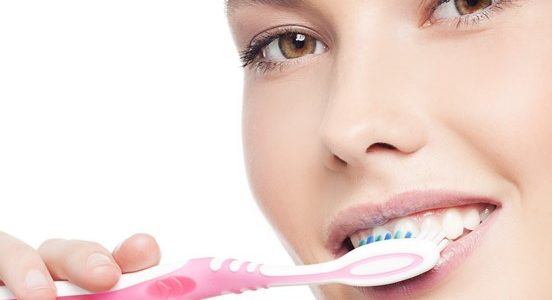
You’ll no doubt be aware that brushing your teeth, which removes the plaque that causes tooth decay and gum disease, is important. What you may not know is that how often you brush, how long you brush for, the kind of technique and toothbrush you use all matter too.

To gain the maximum benefit from brushing your teeth, you should be brushing for at least two minutes morning and night, spending roughly 30 seconds on each quarter of your mouth. Think that sounds like too much hard work?

Firing up your streaming service, playing your favourite two-minute pop song – think the likes of Blur’s “Song No.2” or “Mr. Zebra” by Tori Amos – and brushing until the end is one fun way to make sure your teeth get all the cleaning they need.

It’s all in the technique

If you’re like most people, you probably don’t give too much thought to how you brush your teeth, beyond squirting on some toothpaste, and brushing back and forth.

But as your dentist will tell you, how you brush your teeth matters a great deal. You should be cleaning your teeth systematically, starting at the back with the toothbrush bristle at the gumline or at a 45° angle, brushing gently in a circular motion, and finishing with a spit, not a rinse. If you have an electric toothbrush, you should be guiding the moving brush head slowly from tooth to tooth following the contours of the tooth and the curve of the gums.

Regardless of the brush you use, try to avoid brushing with too much force as this can damage the surface of your teeth. And as for the toothpaste? You only need a pea-sized amount to get the job done.

Tools of the trade

You are always best using a soft-bristled toothbrush with a small head and a flexible neck because this will most effectively remove plaque and debris from your teeth, without damaging your teeth and gums and drawing blood. Try to replace your brush at the first sign of wear-and-tear or every three months, whichever comes first, and if you’ve just had a cold, replace your toothbrush so you don’t get reinfected by the germs in the bristles.

If you have braces

It’s recommended that you brush after every meal, preferably using a toothbrush with a soft head to regularly clean away the food debris and plaque that can accumulate in the brackets. The best technique is to hold your brush at a 45-degree angle to the gums, much like a standard brushing technique, before moving on to brushing downwards to clean the top of the brackets and brushing upwards to clean the bottom section.

Flossing

Good Dentist Near Me Acacia Garden

Here’s something you may not know – nearly half the surface area of your teeth lies between them. And no, we’re not telling you this so you can ace the next dental trivia contest you attend.

Why that particular information is important is because if you’re solely relying on brushing you’re not cleaning a large portion of your teeth, which in turn can affect how healthy your teeth and gums are. By removing the plaque from between your teeth, you’re helping to prevent gum disease, tooth decay and halitosis, otherwise known as “bad breath”.

So flossing, or interdental cleaning as it’s officially known, is an essential part of caring for your teeth and gums, and not some kind of “nice to have” added extra.

It’s all in the technique

It’s one thing to make flossing a part of your dental health care routine, quite another to do it properly. Your dentist is the most qualified person to instruct you on flossing correctly but there are some basic tips you can follow:

Tip 1: Wind about 45cm of floss around your middle fingers and rest it across your thumbs and index fingers.

Tip 2: Use a gentle up-and-down motion that goes down one side of the tooth, just under the little collar of gum and then back up the other side (think of it as an on-the-side “c”).

Tip 3: If you’re not sure about the right technique, have a chat to your dentist who can show you all the right flossing moves. 


If sticking your fingers into your mouth with a cord of thin filaments strung between them isn’t your idea of fun, then consider using either a less invasive floss threader or floss pick to do the job.

And finally, your dentist might also recommend using other items such as bottle brush-shaped interdental cleaners, if you have large gaps between your teeth, or interdental tips (flexible rubber tips) and irrigators (electrically-powered water-pumping devices) to compliment your flossing regimen.

Make flossing a routine

Flossing should be an integral part of your dental health routine along with brushing. You should be flossing once a day, either in the morning or night, or even after lunch, for at least two minutes.. But it’s not just adults who need to floss. Kids should start cleaning between their teeth as soon as they have two teeth in contact but until the age of 10, it’s best if the parent does the flossing as younger kids don’t have the manual dexterity needed to floss effectively.

If you have braces

Flossing is more important than ever in tis instance, playing an integral role in clearing out food particles and plaque. Using the usual flossing tape can prove to be a bit of a challenge, so you might find something like a floss threader and interdental brushes will work better for you. Always floss gently and slowly since too much pressure and speed can damage your braces


Do I Really Need Dental Sealants?

Paediatric Dentist Near Me Glendenning

What are dental sealants?

Dental sealants (also called dental fissure sealants) are a protective layer applied on the chewing teeth (the molars) to reduce tooth decay. Applying a sealant is quick and painless and can be done by your dental practitioner.

Sealant is most commonly applied to the grooves, known as fissures, and pits of the back molars. These are the most common locations for cavities in the teeth. The procedure can be done by a dentist, a dental hygienist or an oral health therapist.

Fissure sealants are a white or clear composite resin, similar to a white tooth filling. The sealants provide a barrier against bacteria that can cause plaque. They are designed to prevent tooth decay and cavities.

When might someone need fissure sealants?

Children's Dentist Rooty Hill

Your dentist might advise you to have fissure sealants if you have large grooves or pits in your teeth. However, you should discuss with your dentist whether or not they are necessary. Not all teeth with fissures need sealants.

Some dentists will recommend sealants for the first molar teeth, which appear at around 6 years old. The back teeth (second and third molars) emerge at around 13 years and should be checked to see whether sealants might help. Some adults also get sealants. Your dentist might recommend a sealant if there is already some tooth decay. The sealant can help limit future decay.

What happens during a dental fissure sealants procedure?

Having fissure sealants applied is a quick and painless procedure. It usually takes a few minutes per tooth and is less complicated than having a cavity filling. There is no need for anaesthetic and usually no drilling. Your dental practitioner will:

  • clean and dry the tooth
  • prepare the tooth surface so that the sealant bonds well
  • paint on the liquid sealant, which will flow into the deep grooves and pits
  • bond and harden the sealant with a strong light
  • check your bite and polish off any excess sealant

What to expect after a dental fissure sealants procedure?

Children's Dental Center Annangrove

Sealants are a simple and effective means to reduce tooth decay. They provide extra protection from decay, even to those who drink fluoridated water and brush with fluoride toothpaste. The fluoride in water and toothpaste doesn’t easily reach into deep grooves or pits. Even the bristles of a toothbrush might not reach that far.

Complications are rare but may include an allergic reaction to the sealant, or a change in your bite if the sealant layer is thick.

How much does it cost to get fissure sealants?

Fissure sealants cost around $40 to $90 per tooth.

What are the alternatives to fissure sealants?

Fluoride varnish can be applied to the teeth by a dental practitioner. However, fluoride varnishes are mostly used in young children at high risk of developing of cavities. They need to be applied 2 to 4 times each year.

Urgent Help Needed! My Child Broke a Tooth!

Paediatric Dental Care Western Sydney

“Accidents happen” is one of those phrases we casually throw around without thinking. But the reality is that accidents can have quite serious consequences for our teeth. The good news is that the trauma of dental injury can be minimised if you know what precautions to take and what to do in the unfortunate event you suffer damage to your teeth.

Don’t assume anything

Teeth can become cracked, chipped or loose from accidents and failure to get them checked by your dentist may result in otherwise avoidable long term damage. In cases of dental trauma, check if your usual dentist handles emergency treatments; if not, try to locate a dental practice to assist you. If you or your child experience trauma to the teeth, follow the below advice before you reach the dentist.

Knocked out teeth

Deciduous (baby) teeth
Pediatric Dental Clinics Plumpton

If your child knocks out a ‘baby’ tooth, remain calm and follow the steps listed below:

  • Find the tooth, and hold it by the crown only, not the root. 
  • If it is a baby tooth, do not reinsert back into the mouth. If you are unsure, place the tooth in milk or saliva to transport it to your dentist.  
  • See your dentist straight away.

NOTE: The crown is the part of the tooth visible inside the mouth while the root anchors the tooth to the jawbone and is not normally visible. Depending on your child’s age, the baby tooth may not have much root structure remaining. This is because the root resorbs for the tooth to become loose before falling out.

Permanent (adult) teeth

Remain calm and act quickly, ideally try to see your dentist within 30 minutes

  • Find the tooth and hold it by the crown only, not the root surface. 
  • If the tooth is dirty, rinse it in milk or tap water very briefly. Do not scrub it.
  • Place the tooth back in position inside the mouth – Make sure it is facing the right way around; Gently bite down on soft cloth or tissue or use aluminium foil or your mouthguard to hold it in place.
  • If you can’t replant the tooth, transport it to your dentist in milk or saliva. Do not store in water. 

NOTE: The crown is the part of the tooth visible inside the mouth while the root anchors the tooth to the jawbone and is not visible normally.

Do NOT:

  • Do not wrap the tooth in paper towel or a serviette.
  • Do not store the tooth in water when transporting it to the dentist.
  • Do not scrub the root surface of the tooth when rinsing it. 
  • Do not delay seeing a dentist, the sooner you do, the better the long-term outcome may be. 

Dental injuries

Alternate forms of trauma to the teeth can include injuries causing a tooth or multiple teeth to become:

  • Moved from their original position (e.g. pushed backwards) – Try to move the teeth gently back to their original position and close the mouth with a soft cloth or tissue between the front teeth. 
  • Cracked, chipped or fractured – If you find the fractured tooth fragment, take it with you to the dentist.
  • Loose/mobile
  • Pushed up into the gums and bone – the tooth may no longer be visible

For any of these types of trauma, it is best to visit your dentist as soon as possible.

If your child develops a toothache, book an appointment with your dentist straight away. In the meantime, rinse your child’s mouth with salty water and/or use paracetamol for pain relief. If facial swelling is present, your child needs to see a dentist as soon as possible. These recommendations do not apply to babies who are teething.

Prevention

Pediatric Dental Practice Mt Druitt

It is recommended that children, teenagers and adults wear a custom-fitted mouthguard made by a dentist. Mouthguards act to absorb and spread the impact of a blow to the face, which may otherwise result in an injury to the mouth or jaw/s. 

Mouthguards should be worn during training and on game day. 

A custom-fitted mouthguard works by absorbing and spreading the impact of the damaging blow, and is fabricated based on an impression of your teeth and jaw taken by your dentist. 

A mouthguard that is custom-fitted by your dentist is far superior to an over-the-counter mouthguard because it’s specially designed to fit the exact contours of your mouth, is resilient, balances your bite and allows speech and normal breathing. If properly used, stored, and checked by your dentist every year, a custom-fitted mouthguard should last several seasons.  In contrast, self-fitted, over-the-counter mouthguards, which include what are commonly known as boil-and-bite mouthguards, should not be used. They do not protect the teeth, are loosely fitted, impede breathing and speaking, and can even wedge in the back of the throat at impact which could be life threatening. 

Wearing a custom-fitted mouthguard

Custom-fitted mouthguards, by virtue of their exact fit, let you talk normally, don’t restrict your breathing and stay firmly in place, allowing you to concentrate on playing the sport you love. You should consider it a mandatory part of your sporting equipment, no matter your age or experience.

To keep your mouthguard in tip-top working order, you’ll need to keep it out of the sun, wash it in cold water after use, keep on the supplied plastic model cast and get your dentist to make sure it’s still OK when you go in for your regular check-ups.

Only dental professionals can design and manufacture a custom-fitted mouthguard that provides adequte protection.